

You are NOT a night owl. Owls are night owls. We are humans and supposed to go to sleep shortly after the sundown. A new study finds those with the “eveningness” sleep patterns had a higher risk of coronary artery disease.
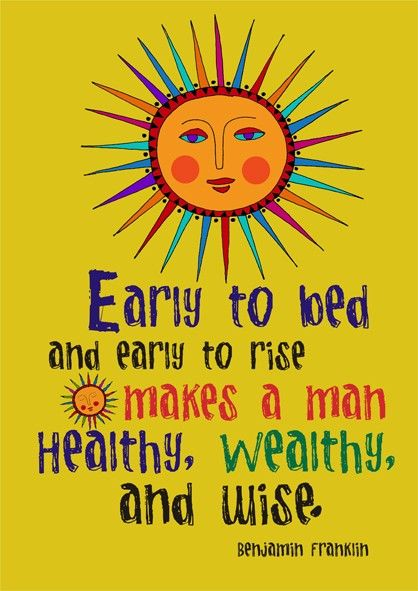
Think of your body like it has its own clock inside, called the circadian rhythm. This special clock tells you when to wake up and when to feel sleepy, helping you stay healthy. Scientists have been studying how this clock works and found out something really important about when we go to bed.
Going to bed late at night can be bad for your heart. There’s a new study that found people who stay up late have a bigger chance of getting something called coronary artery calcification. It sounds complicated, but it basically means that stuff starts to build up in the heart’s arteries, making it hard for the heart to do its job. This buildup can lead to heart disease, which is something we all want to avoid.
So, if you like to stay up late watching TV or playing games, it might be a good idea to start going to bed a bit earlier. Your heart will thank you for it!
**Circadian Rhythm: The Body’s Natural Timekeeper**
The circadian rhythm is a 24-hour cycle that influences various physiological processes, including hormone levels, body temperature, and sleep. Governed by the brain’s hypothalamus, this internal clock is primarily synchronized with the cycle of daylight and darkness, playing a critical role in regulating our sleep patterns. Disruptions to this rhythm, such as those caused by shift work, travel across time zones, or irregular sleeping habits, can have adverse effects on health, including impaired cognitive function, increased stress levels, and heightened risk of chronic conditions.
**Sleep Timing and Cardiovascular Health**
The importance of sleep for maintaining cardiovascular health cannot be overstated. Adequate, quality sleep is essential for the body’s ability to repair itself, regulate stress hormones, and maintain healthy blood pressure levels. However, the timing of sleep—specifically, the hour at which one goes to bed—has emerged as a critical factor in this equation.
A new study has found that individuals who habitually go to bed late face a higher risk of coronary artery calcification compared to those with earlier bedtimes. Coronary artery calcification is a condition characterized by the buildup of calcium in the arteries, which can lead to reduced blood flow and increased risk of heart attack. This calcification serves as a key marker for atherosclerosis, a precursor to various cardiovascular diseases.
The research, conducted on a cohort of adults over several years, meticulously controlled for other risk factors, including diet, physical activity, and smoking habits, to isolate the effect of sleep timing on heart health. The findings were unequivocal: those with later bedtimes showed a significantly greater extent of arterial calcification, highlighting the need for greater awareness and intervention strategies aimed at promoting healthy sleep habits.
**Mechanisms and Implications**
The mechanisms through which late bedtimes exacerbate cardiovascular risk are multifaceted. Disruptions to the circadian rhythm can lead to hormonal imbalances, including increased levels of cortisol, the stress hormone, which is known to contribute to hypertension and cardiovascular disease. Additionally, late sleepers may experience shorter sleep durations and poorer sleep quality, further compounding these risks.
These findings underscore the importance of aligning our sleep habits with our body’s natural circadian rhythm for optimal cardiovascular health. Strategies to promote earlier bedtimes, such as limiting exposure to blue light from screens before bedtime, establishing a consistent sleep routine, and creating a conducive sleep environment, are vital.
**Conclusion**
Please go to sleep on time. The earlier you go to bed, the better.


