
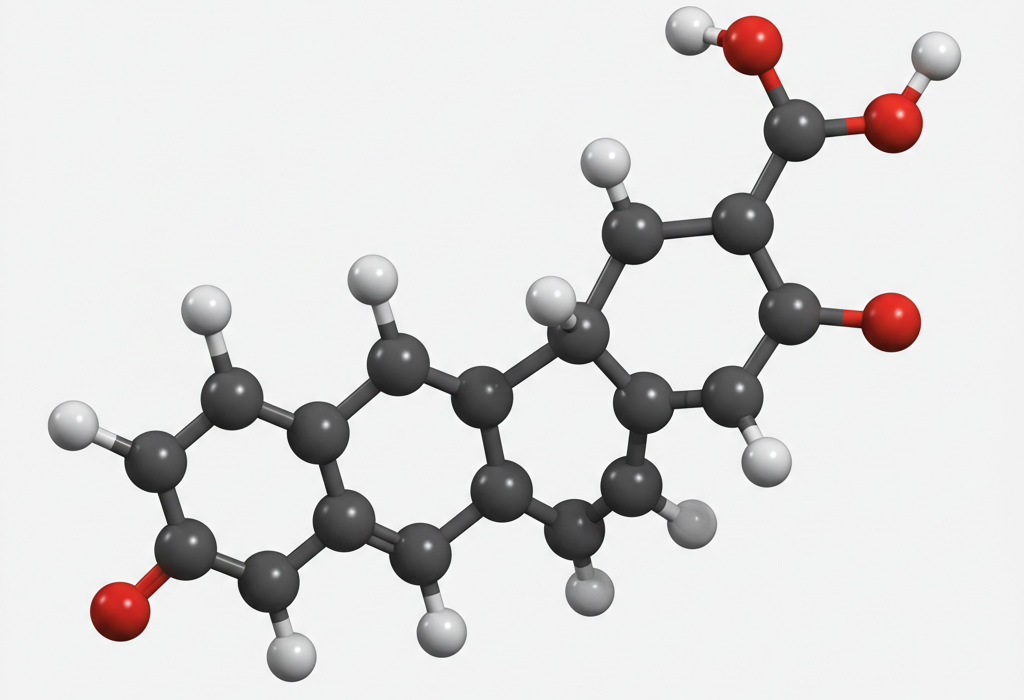
Cholestyramine is a prescription drug originally developed to lower cholesterol levels. But in recent years, it has gained popularity in alternative medicine circles for another reason—detoxifying mold and other biotoxins from the body. While some practitioners promote its use for this purpose, there’s growing concern about its unintended consequences, especially its damaging effects on the gut microbiome and intestinal barrier.
What Is Cholestyramine?
Cholestyramine is a bile acid sequestrant, meaning it binds to bile acids in the intestines and prevents them from being reabsorbed. This causes the liver to use more cholesterol to make new bile acids, thereby reducing cholesterol levels in the blood.
It’s traditionally prescribed for:
- High LDL cholesterol
- Itching due to partial bile obstruction
- Certain cases of chronic diarrhea associated with bile acid malabsorption
But beyond its FDA-approved uses, cholestyramine has become part of mold detox protocols, especially those rooted in the Shoemaker Protocol for chronic inflammatory response syndrome (CIRS).
Cholestyramine for Mold Toxicity
Mold toxins, also known as mycotoxins, can linger in the body long after exposure—especially in genetically susceptible individuals with impaired detox pathways (HLA-DR gene variations).
Advocates of cholestyramine claim it helps by:
- Binding to negatively charged biotoxins in bile
- Preventing enterohepatic recirculation (the recycling of bile toxins)
- Pulling mold toxins out through the stool
This theory has led many mold illness sufferers to seek out cholestyramine—even when other root causes haven’t been addressed.
Side Effects and Warnings
Despite its mold-binding potential, cholestyramine is not without side effects. In fact, its impact on digestion can be profound.
Common side effects include:
- Constipation (very common)
- Abdominal pain, bloating, nausea
- Nutrient deficiencies (fat-soluble vitamins: A, D, E, K)
- Malabsorption of medications and supplements (must be timed several hours apart)
The Gut Microbiome Under Attack
One of the most serious yet under-discussed consequences of cholestyramine is its effect on the gut microbiome.
Here’s how cholestyramine may harm your gut:
🔹 Disrupts Bile Flow
Bile acids aren’t just for fat digestion—they play a critical role in regulating the composition of gut bacteria. They act as antimicrobial agents that control the overgrowth of harmful microbes.
When cholestyramine removes bile acids, it disrupts this balance. Without bile’s cleansing effect, opportunistic pathogens (like Clostridia, Candida, and gram-negative bacteria) can flourish.
🔹 Promotes Dysbiosis
Studies show that bile acid sequestrants like cholestyramine can lead to altered microbial diversity. In particular, they reduce populations of beneficial short-chain fatty acid (SCFA) producers—key for colon health and immune regulation.
🔹 Leads to Leaky Gut (Intestinal Hyperpermeability)
With dysbiosis comes inflammation. Harmful bacteria release lipopolysaccharides (LPS), which trigger immune activation and compromise the tight junctions that hold the intestinal lining together. Over time, this leads to intestinal hyperpermeability, or “leaky gut.”
This creates a vicious cycle:
More toxins → more inflammation → more gut damage → more systemic symptoms.
Should You Use Cholestyramine?
Cholestyramine may serve as a temporary binder in extreme cases of mold toxicity—but it should not be the first step, nor should it be used long-term without addressing foundational health needs.
The best thing you can do is get out of the mold/bacteria from water damage.
However, there are gentler alternatives to bind mold toxins, such as:
- Activated charcoal
- Bentonite clay
- Zeolite
- Chlorella
- Modified citrus pectin
These may support toxin clearance without stripping bile or destroying the gut flora.
We suggest GI Detox from BioBotanicals.
Final Thoughts
Cholestyramine is a powerful tool—but like all pharmaceuticals, it comes with trade-offs. What begins as a mold detox aid may end up causing gut dysbiosis, leaky gut, and long-term inflammation if not carefully managed.
At Natural Heart Doctor, we believe in root cause resolution. That means strengthening the body’s own detox systems—not replacing one problem with another.
If you’re struggling with mold toxicity, start with the basics:
✅ Clean air
✅ Clean food
✅ Strong gut
✅ Gentle binders
✅ Advanced diagnostics when needed
Your body is built to heal. But you must work with it, not against it.
Want help detoxing from mold the natural way?
Reach out to our team for personalized support and gut-restoring strategies that promote true healing—without the collateral damage.


