Oxalates and Your Heart: What You Need to Know

✓  This post may contain affiliate links
Facebook
X
Reddit
WhatsApp
Email
Fresh spinach beets cacao almonds and sweet potatoes on wood surface

Oxalates from food are not the problem.

Spinach is not the problem. Beets are not the problem. Cacao is not the problem. Nuts, seeds, and sweet potatoes are not the problem. These are real foods that humans have eaten for generations. The real problem is the modern terrain created by too much bad stuff and not enough good stuff.

That is where the oxalate conversation needs to begin.

Oxalates are natural compounds found in many plant foods. They are also made inside the human body. In a healthy body, oxalates are handled, processed, bound, and eliminated. This is normal physiology. The body was designed to interact with compounds in food, process them, use what it needs, and eliminate what it does not.

The problem starts when the body is under constant attack. Processed food, pesticides, plastics, mold, mycotoxins, heavy metals, antibiotics, seed oils, chronic stress, poor sleep, artificial light, dehydration, EMF exposure, and nutrient deficiencies all change the internal environment. Over time, the gut microbiome becomes disrupted. The intestinal lining becomes more permeable. Inflammation rises. Oxidative stress increases. The immune system becomes activated. Minerals become depleted. Mitochondria struggle. The kidneys become stressed.

That is when oxalates may become part of the conversation. Not because oxalate-rich foods are inherently dangerous, but because the body has lost some of its ability to handle them properly.

This is a terrain problem, not a spinach problem.

Healthy real foods including spinach, beets, almonds, and sweet potatoes — common oxalate-containing foods

The mistake is blaming real food

Modern health advice has a long history of blaming the wrong thing. For decades, they blamed eggs. They blamed cholesterol. They blamed coconut. They blamed red meat. They blamed salt. Now, some people are blaming spinach, cacao, beets, almonds, and sweet potatoes because they contain oxalates.

But real food is rarely the root cause.

If someone is eating spinach inside a lifestyle filled with processed food, poor mineral intake, low hydration, damaged gut bacteria, chronic inflammation, and kidney stress, they may not tolerate oxalates well. But that does not mean spinach caused the problem. It means the body is struggling.

That distinction matters.

The answer is not to fear oxalate-rich foods. The answer is to rebuild the body so it can process real food the way it was designed to. When the gut is healthy, the microbiome is strong, minerals are available, the kidneys are working well, and inflammation is low, the body becomes far more resilient.

Gut health concept showing the connection between oxalates and intestinal health

Oxalates and the Gut

Your gut is one of the most important parts of oxalate metabolism. A healthy gut microbiome helps break down and regulate oxalates. Healthy gut bacteria also support proper digestion, immune balance, mineral absorption, detoxification, and waste elimination.

But when the gut is damaged, oxalate handling may change. Antibiotics, glyphosate, mold, processed food, alcohol, chronic stress, poor sleep, and chemical exposure can disrupt the microbiome. When the microbiome is disrupted and the intestinal lining becomes more permeable, the body may absorb more compounds it should be regulating appropriately. That is when someone may become more reactive to foods that should otherwise be tolerated.

This is why I do not start with the question, “Which foods should we remove?”

I start with the question, “Why is the gut damaged?”

That is the Natural Heart Doctor approach.
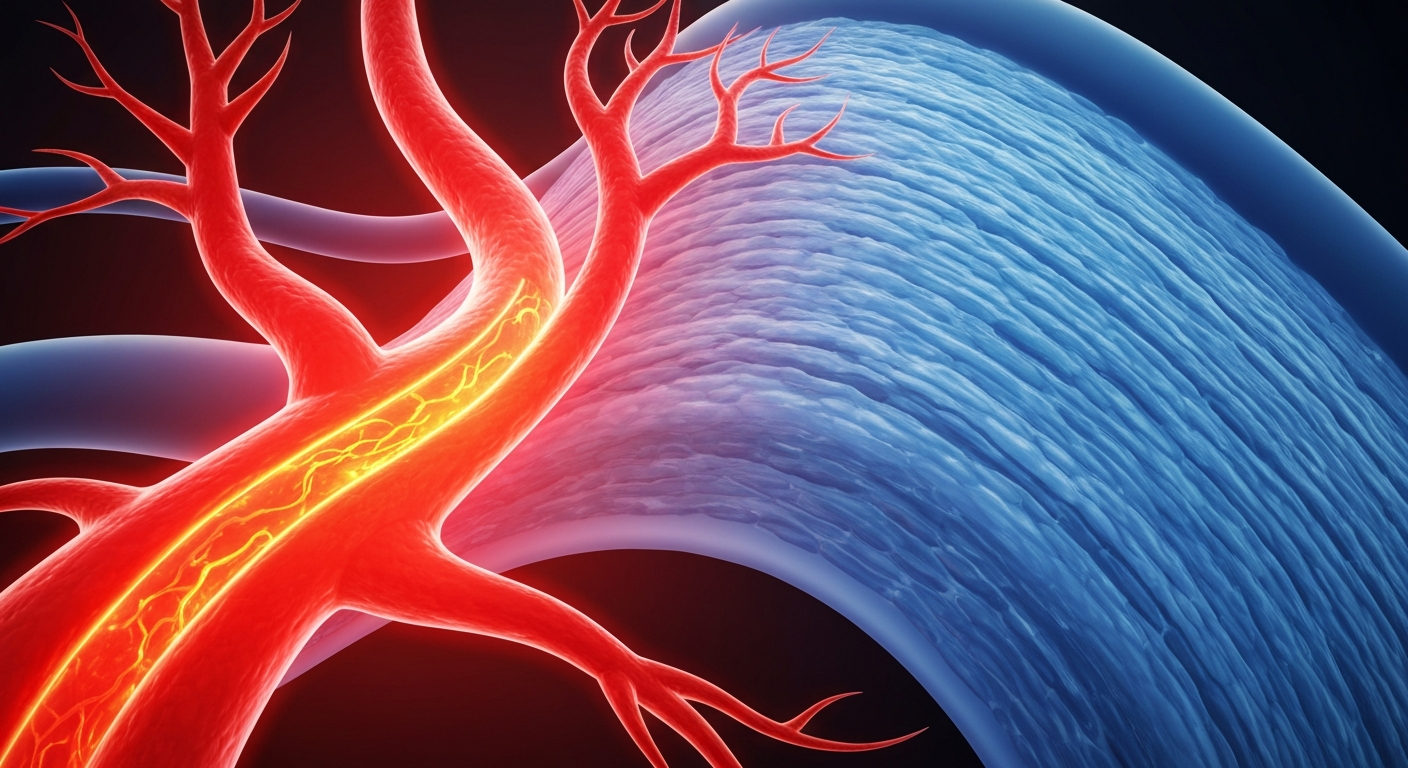
Inflammation in the body related to oxalate accumulation and cardiovascular risk

Oxalates and Inflammation

When the body is inflamed, everything becomes more reactive. Foods become more reactive. The immune system becomes more reactive. The gut becomes more reactive. The arteries become more reactive.

Oxalates may contribute to irritation in some people, especially those with kidney stones, kidney disease, gut damage, mineral deficiencies, mold toxicity, or major dysbiosis. But again, this is not a reason to demonize oxalate-rich foods. It is a reason to lower the total burden on the body and restore normal function.

We remove the bad stuff. We add the good stuff. We support the gut, kidneys, mitochondria, immune system, and detox pathways. That is how the body becomes resilient again.
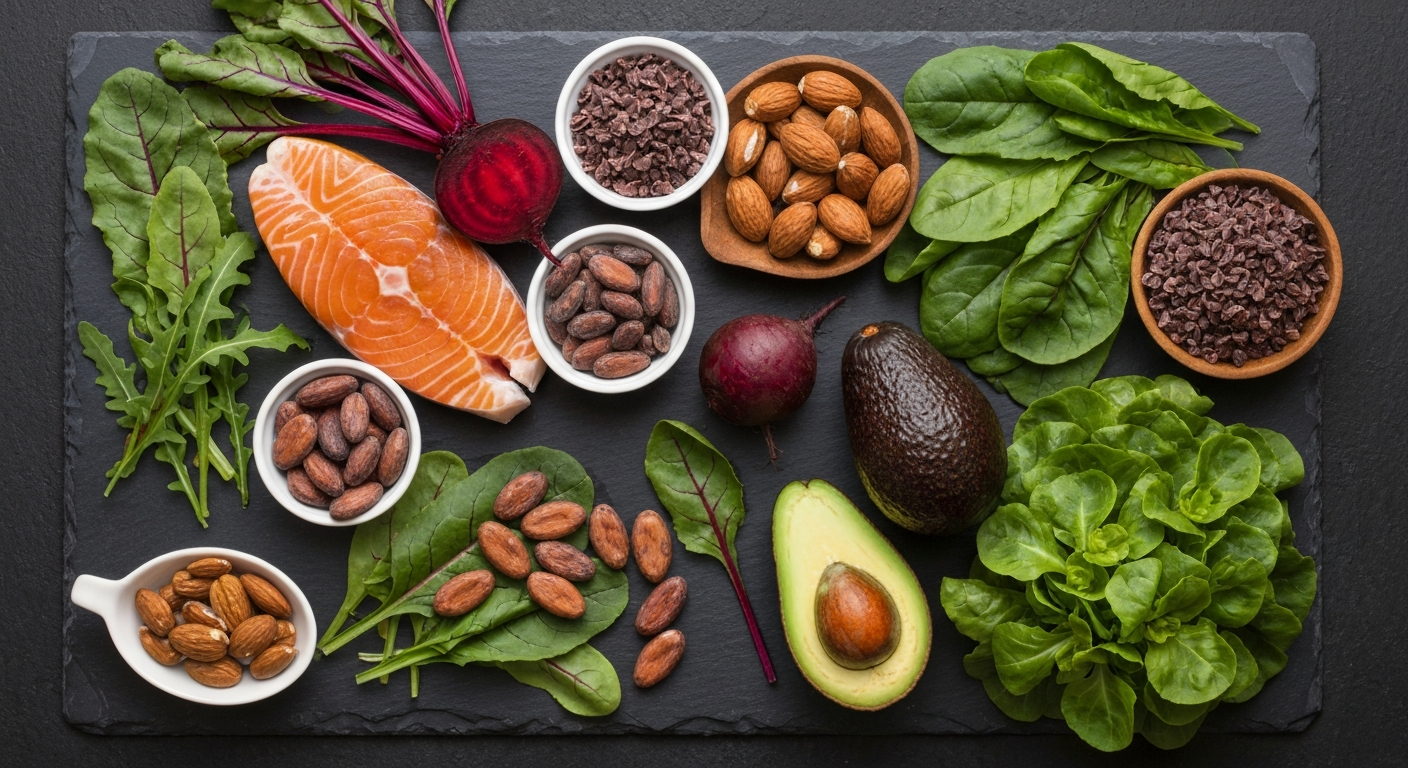
Colorful whole foods that support a balanced heart-healthy approach to oxalates

Oxalate-rich foods can be part of the solution

This is the key point: many oxalate-rich foods are also loaded with nutrients that support heart health.

Beets support nitric oxide production and healthy blood flow. Cacao contains polyphenols that support the endothelium and vascular function. Leafy greens provide minerals, antioxidants, and plant compounds that support detoxification. Nuts and seeds provide minerals and healthy fats when properly tolerated. Sweet potatoes provide potassium, fiber, and phytonutrients.

These foods are not the enemy. Inside the right terrain, they can be part of the solution.

When someone follows the 100 Year Heart Method, oxalate-rich foods can fit beautifully into a nutrient-dense, mineral-rich, gut-supportive, anti-inflammatory lifestyle. The goal is not to eliminate real foods because they contain natural compounds. The goal is to create a body that can handle real food.

Fit middle-aged man walking a sunlit coastal trail, representing the 100 Year Heart Method and long-term cardiovascular wellness

The 100 Year Heart Method Solution

The solution is not a fear-based low-oxalate diet. The solution is the 100 Year Heart Method.

The 100 Year Heart Method is built on Eat Well, Live Well, and Think Well. Then, we Test, Don’t Guess, use evidence-based supplements, and biohacking strategies.

Eat Well means building your diet around real, nutrient-dense foods such as wild seafood, grass-fed and pasture-raised meats, organ meats, eggs, raw dairy where tolerated, olives, avocados, coconuts, seasonal fruit, vegetables, fermented foods, herbs, spices, cacao, and properly selected nuts and seeds.

This is not about avoiding every food that contains oxalates. This is about giving the body the minerals, fatty acids, amino acids, antioxidants, fat-soluble vitamins, probiotics, prebiotics, and phytonutrients it needs to function.

Two of our products contain oxalates: Heart Beet and Cardio Greens.

Live Well means sunshine, movement, clean water, clean air, chiropractic care, holistic dentistry, quality sleep, toxin avoidance, less artificial light at night, less EMF exposure, and a lifestyle that supports mitochondria. Think Well means reducing chronic stress, building purpose, improving relationships, getting outside, practicing gratitude, and creating a life that tells your nervous system you are safe.

When you do those things, the body becomes more resilient. The gut becomes stronger. The microbiome becomes healthier. The immune system becomes calmer. Oxidative stress goes down. Inflammation improves. Mineral status improves. The kidneys are better supported. The body becomes better able to handle real food.

Doctor consulting with a patient about heart health and oxalate sensitivity

Who may need extra support?

Some people still need to be more cautious. If you have recurrent calcium oxalate kidney stones, kidney disease, severe gut dysfunction, inflammatory bowel disease, major mold toxicity, or known oxalate sensitivity, you may need a more personalized plan.

But even then, the long-term goal is not fear. The long-term goal is restoration.

Sometimes we may temporarily reduce certain foods while we rebuild the gut, restore minerals, support bile flow, improve hydration, address mold and toxins, and support kidney function. But the goal is always to fix the terrain.

Person thriving outdoors representing optimal heart health and natural living

Final Thoughts

Oxalates from food are not the main problem. The real problem is the damaged modern terrain created by too much bad stuff and not enough good stuff.

That damaged terrain leads to gut dysbiosis, intestinal hyperpermeability, inflammation, oxidative stress, immune activation, mineral depletion, mitochondrial stress, and poor elimination. That is when oxalates can become an issue.

But the answer is not to fear beets, cacao, leafy greens, nuts, seeds, or sweet potatoes. The answer is to restore the body with the 100 Year Heart Method.

Eat Well. Live Well. Think Well.

Oxalate-rich foods, when eaten inside a nutrient-dense, mineral-rich, gut-supportive lifestyle, are not the problem. They can be part of the solution.

Facebook
X
Reddit
WhatsApp
Email

You may also enjoy these posts...

About Dr. Keith Smigiel NP, DC

Dr. Keith Smigiel

Dr. Keith Smigiel is a regenerative medicine physician and pain management specialist. He takes an integrative approach to medicine, focusing on customized solutions tailored to individual needs. Using advanced, non-surgical treatments, Dr. Smigiel stimulates your body’s ability to naturally heal itself.

Dr. Smigiel helps people suffering from conditions such as chronic pain and erectile dysfunction, to hair loss and weight gain. Combining treatments such as PRP Therapy, Ozone, Neural Prolotherapy, and IV Infusions with functional rehabilitation, he helps you look and feel better.

He heals the body, instead of just treating the symptoms!

With his professional qualifications as a certified family nurse practitioner, a doctor of chiropractic, and a fellow of the International Academy of Medical Acupuncture, Dr. Smigiel offers patients comprehensive care from a broad perspective of conventional and alternative medicine. He also has extensive experience in functional rehabilitation and chronic pain management.

Dr. Smigiel is married to Angela and has two children, Sophia and Larz. When he’s not busy helping patients, he enjoys hiking, mountain biking, motocross, and boating.

About Dr. Lauren Lattanza NMD, FACC

Dr. Lattanza Office Visit with Patient

As a Naturopathic Physician, I am trained to treat the whole person and get to the root cause of disease.

I went to Arizona State University where I graduated with a bachelor’s degree in psychology with a depth in physiology and minor in Spanish. After my undergraduate degree I was working on prerequisite classes towards medical school, which is when I came to learn that my values identified best with the principles of naturopathic medicine. I knew that I wanted to help patients identify the causes of disease and be able to offer treatments which would improve their health rather than simply treating symptoms.

I dedicated the next 4 years to the Southwest College of Naturopathic Medicine in Tempe, Arizona where I attained my Doctorate of Naturopathic Medicine. I served as Class President all 4 years, Board of Trustees – Student Trustee, spoke as the Club President for our branch of Toastmasters, and was voted by my peers and attending physicians to earn the Outstanding Leadership Award for the Class of 2020. Throughout medical school I took it upon myself to work alongside MDs, DOs, chiropractors, and functional medicine practitioners in addition to naturopathic physicians.

As a Spanish speaking student, I was able to volunteer with community clinics around Phoenix and provide free healthcare to low-income families. Due to this combined exposure, I came to find my passion in treating cardiometabolic and digestive disorders that are all too common, yet largely preventable. I took the opportunity to learn the broad spectrum of healthcare so I can ensure that I am able to provide my patients with the best options.

About Dr. Jack Wolfson DO, FACC

Dr. Wolfson Office Visit with Patient

Dr. Jack Wolfson is a cardiologist, Amazon best-selling author, husband, father, and the nation’s #1 Natural Heart Doctor.

For more than two decades, more than one million people have enjoyed the warmth, compassion, and transformational power of his natural heart health courses and events.

Dr. Wolfson is the founder of Natural Heart Doctor Scottsdale, his heart health practice in Arizona, and Natural Heart Doctor, an online resource center with natural health information. Doctors from across the globe reach out to Dr. Wolfson for training and education in holistic health practices.

He has been named one of America’s Top Functional Medicine Doctors and is a five-time winner of the Natural Choice Awards as a holistic M.D. Dr. Wolfson’s work has been covered by more than 100 media outlets, including NBC, CNN, and the Washington Post. His book “The Paleo Cardiologist: The Natural Way to Heart Health” was an Amazon #1 best-seller.

Dr. Wolfson and his wife Heather have four children and are committed to making the world a better place to live. They provide for those in need (including animals) and support natural health causes through their philanthropic efforts.

Chiropractic

Our chiropractor is an expert at adjustments and holistic chiropractic care and works closely in conjunction with the other health care experts at Natural Heart Doctor.

Call (480) 535-6844 for details and scheduling.

IV Therapy

We use specially formulated natural vitamins and minerals that are injected into a vein to prevent or treat dehydration. Ideal for people in Arizona.

Call (480) 535-6844 for details and scheduling.

Acupuncture

Stimulate your body’s natural healing abilities and promote physical and emotional well-being with acupuncture at Natural Heart Doctor.

Call (480) 535-6844 for details and scheduling.

Health Coaching

Our health coaches use evidence based skillful conversation, clinical interventions, and strategies to engage you actively and safely in health behavior changes.

Call (480) 535-6844 for details and scheduling.

Cardio Tests

We use the most advanced testing in the world to assess heart health and to identify the root cause of your health issues.

Call (480) 535-6844 for details and scheduling.

Office Visits

Schedule an office visit with one of our cardiologists, holistic physicians, chiropractor, or health coaches.

Call (480) 535-6844 for details and scheduling.

Frequently Asked Questions

I’d like to receive an online second opinion from Natural Heart Doctor. What do I do next?

You can initiate a second opinion online through our website at any time. To begin, select the team member you’d like to speak with and open an account.

Click here for cardiologist Dr. Jack Wolfson.

Naturopathic Medical Doctor Dr. Lauren Lattanza. Get details.

Naturopathic Medical Doctor Dr. Tonia Rainier. Get details.

Click here for  Natural Heart Doctor Health Coach.

Alternatively, you can email health@naturalheartdoctor.com. A member of our care team will help guide you through the process of starting a second opinion.

What is the cost of a Natural Heart Doctor Online Second Opinion?

The cost for most second opinions varies by team member. This fee includes information collection, a phone or video consultation, a second opinion from a Natural Heart Doctor specialist and guidance throughout the process from your personal Care Team at Natural Heart Doctor.

Cardiologist Dr. Jack Wolfson’s Second Opinion Fee is $1500.

Holistic Physician’s Dr. Lauren Lattanza’s Second Opinion Fee is $250.

Naturopathic Physician Dr. Tonia Rainier’s Second Opinion Fee is $250.

Note: We apply the Online Second Opinion Call fee as a credit to any future consultations with Natural Heart Doctor, should you choose them.

Will my insurance cover the cost of a Natural Heart Doctor Online Second Opinion?

Most likely, no. Most health plans do not cover online second opinions or consultations. You are responsible for the cost of our second opinion. Natural Heart Doctor cannot file a claim with your insurance carrier, nor can we provide a procedure (CPT) code for this service.

What is the timeline to receive an online second opinion?

We do our best to schedule your second opinion as quickly as possible. Typically, it takes 5 to 7 business days after your information has been collected to receive your phone or video online second opinion.

What information do you need in advance of our call?

Our office will send you a short questionnaire to complete and return. We DO NOT need your complete medical records.

How many questions can I ask the expert during our call?

You may ask a maximum of five questions. This is to ensure that the expert has sufficient time to devote to each question. All questions must be finalized before your online meeting.

What should I expect to receive once my second opinion is complete?

You will receive a summary of our discussion along with our second opinion. The second opinion will be in written form. After you have reviewed the second opinion, a Natural Heart Doctor clinician will follow up with you by phone to address general medical questions about the information provided in the second opinion.

What if I have follow-up questions for the expert after I have reviewed my second opinion?

If you have a clarifying question about an expert’s response to one of the questions in your second opinion, and the Natural Heart Doctor clinician is unable to address it, then you may request a follow up session for an additional fee. 

Is my medical and payment information secure?

Natural Heart Doctor is strongly committed to protecting the privacy and security of all our patients. Our website meets all federal requirements for protecting personal health information under the Health Insurance Portability and Accountability Act (HIPAA). All financial transactions are processed by Natural Heart Doctor securely using industry standard payment processing tools.

I would rather visit Natural Heart Doctor for an in-person appointment. What should I do next?

If you would prefer an in-person appointment at Natural Heart Doctor instead of an online second opinion, please call (480) 535-6844 for details and scheduling.

Can I schedule a follow up appointment with the specialist who provided my online second opinion?

Yes, we’re happy to help you on an extended basis. Our clinician can discuss options with you when presenting our second opinion summary.