

Oxalates from food are not the problem.
Spinach is not the problem. Beets are not the problem. Cacao is not the problem. Nuts, seeds, and sweet potatoes are not the problem. These are real foods that humans have eaten for generations. The real problem is the modern terrain created by too much bad stuff and not enough good stuff.
That is where the oxalate conversation needs to begin.
Oxalates are natural compounds found in many plant foods. They are also made inside the human body. In a healthy body, oxalates are handled, processed, bound, and eliminated. This is normal physiology. The body was designed to interact with compounds in food, process them, use what it needs, and eliminate what it does not.
The problem starts when the body is under constant attack. Processed food, pesticides, plastics, mold, mycotoxins, heavy metals, antibiotics, seed oils, chronic stress, poor sleep, artificial light, dehydration, EMF exposure, and nutrient deficiencies all change the internal environment. Over time, the gut microbiome becomes disrupted. The intestinal lining becomes more permeable. Inflammation rises. Oxidative stress increases. The immune system becomes activated. Minerals become depleted. Mitochondria struggle. The kidneys become stressed.
That is when oxalates may become part of the conversation. Not because oxalate-rich foods are inherently dangerous, but because the body has lost some of its ability to handle them properly.
This is a terrain problem, not a spinach problem.

The mistake is blaming real food
Modern health advice has a long history of blaming the wrong thing. For decades, they blamed eggs. They blamed cholesterol. They blamed coconut. They blamed red meat. They blamed salt. Now, some people are blaming spinach, cacao, beets, almonds, and sweet potatoes because they contain oxalates.
But real food is rarely the root cause.
If someone is eating spinach inside a lifestyle filled with processed food, poor mineral intake, low hydration, damaged gut bacteria, chronic inflammation, and kidney stress, they may not tolerate oxalates well. But that does not mean spinach caused the problem. It means the body is struggling.
That distinction matters.
The answer is not to fear oxalate-rich foods. The answer is to rebuild the body so it can process real food the way it was designed to. When the gut is healthy, the microbiome is strong, minerals are available, the kidneys are working well, and inflammation is low, the body becomes far more resilient.

Oxalates and the Gut
Your gut is one of the most important parts of oxalate metabolism. A healthy gut microbiome helps break down and regulate oxalates. Healthy gut bacteria also support proper digestion, immune balance, mineral absorption, detoxification, and waste elimination.
But when the gut is damaged, oxalate handling may change. Antibiotics, glyphosate, mold, processed food, alcohol, chronic stress, poor sleep, and chemical exposure can disrupt the microbiome. When the microbiome is disrupted and the intestinal lining becomes more permeable, the body may absorb more compounds it should be regulating appropriately. That is when someone may become more reactive to foods that should otherwise be tolerated.
This is why I do not start with the question, “Which foods should we remove?”
I start with the question, “Why is the gut damaged?”
That is the Natural Heart Doctor approach.
Oxalates and Inflammation
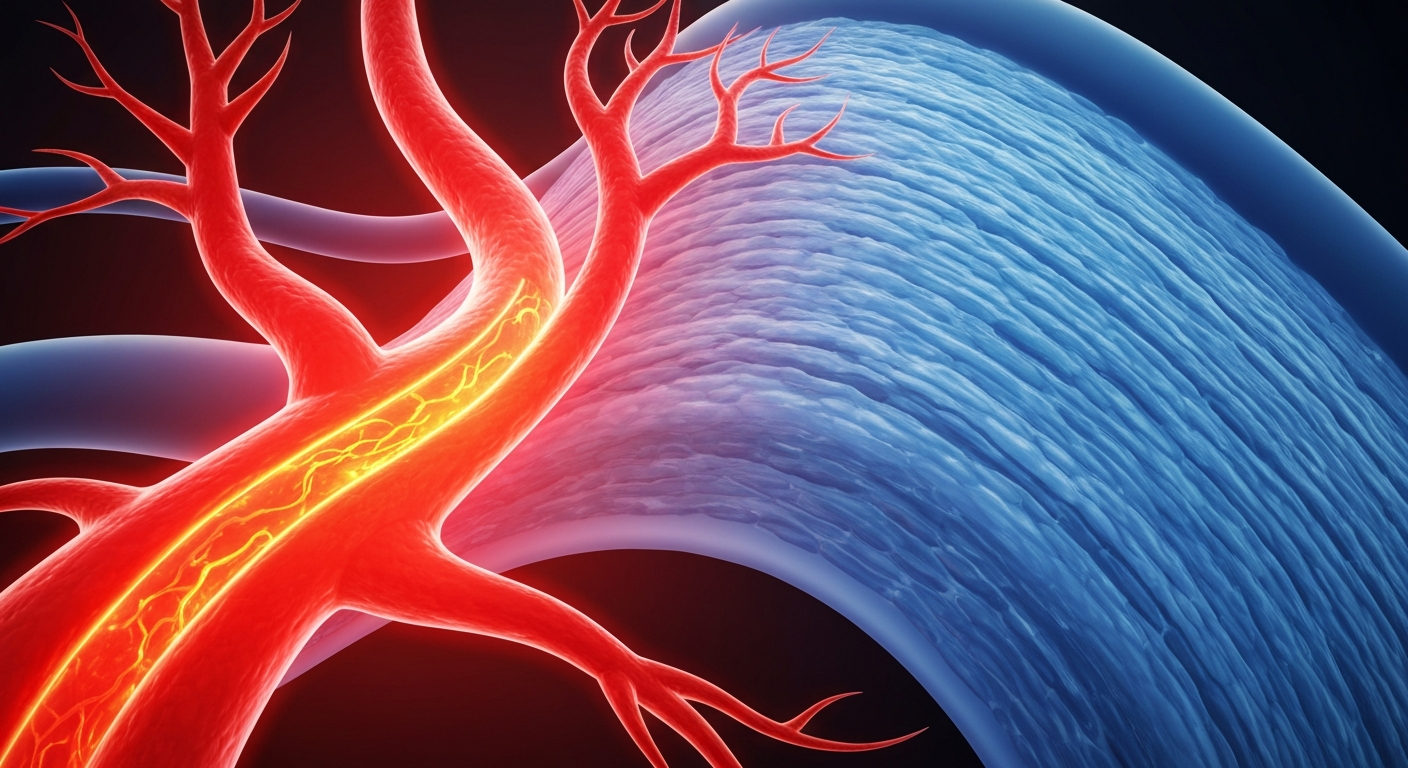
When the body is inflamed, everything becomes more reactive. Foods become more reactive. The immune system becomes more reactive. The gut becomes more reactive. The arteries become more reactive.
Oxalates may contribute to irritation in some people, especially those with kidney stones, kidney disease, gut damage, mineral deficiencies, mold toxicity, or major dysbiosis. But again, this is not a reason to demonize oxalate-rich foods. It is a reason to lower the total burden on the body and restore normal function.
We remove the bad stuff. We add the good stuff. We support the gut, kidneys, mitochondria, immune system, and detox pathways. That is how the body becomes resilient again.
Oxalate-rich foods can be part of the solution
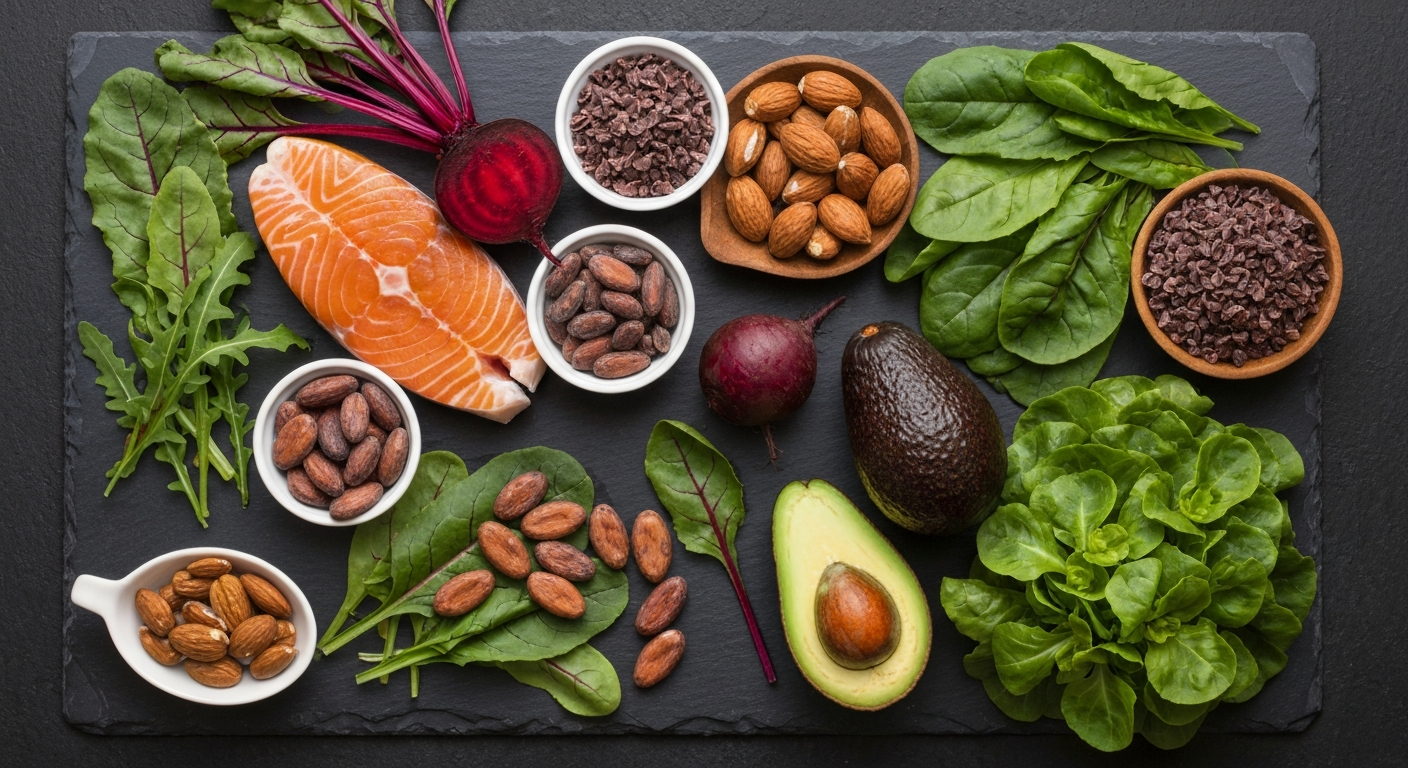
This is the key point: many oxalate-rich foods are also loaded with nutrients that support heart health.
Beets support nitric oxide production and healthy blood flow. Cacao contains polyphenols that support the endothelium and vascular function. Leafy greens provide minerals, antioxidants, and plant compounds that support detoxification. Nuts and seeds provide minerals and healthy fats when properly tolerated. Sweet potatoes provide potassium, fiber, and phytonutrients.
These foods are not the enemy. Inside the right terrain, they can be part of the solution.
When someone follows the 100 Year Heart Method, oxalate-rich foods can fit beautifully into a nutrient-dense, mineral-rich, gut-supportive, anti-inflammatory lifestyle. The goal is not to eliminate real foods because they contain natural compounds. The goal is to create a body that can handle real food.

The 100 Year Heart Method Solution
The solution is not a fear-based low-oxalate diet. The solution is the 100 Year Heart Method.
The 100 Year Heart Method is built on Eat Well, Live Well, and Think Well. Then, we Test, Don’t Guess, use evidence-based supplements, and biohacking strategies.
Eat Well means building your diet around real, nutrient-dense foods such as wild seafood, grass-fed and pasture-raised meats, organ meats, eggs, raw dairy where tolerated, olives, avocados, coconuts, seasonal fruit, vegetables, fermented foods, herbs, spices, cacao, and properly selected nuts and seeds.
This is not about avoiding every food that contains oxalates. This is about giving the body the minerals, fatty acids, amino acids, antioxidants, fat-soluble vitamins, probiotics, prebiotics, and phytonutrients it needs to function.
Two of our products contain oxalates: Heart Beet and Cardio Greens.
Live Well means sunshine, movement, clean water, clean air, chiropractic care, holistic dentistry, quality sleep, toxin avoidance, less artificial light at night, less EMF exposure, and a lifestyle that supports mitochondria. Think Well means reducing chronic stress, building purpose, improving relationships, getting outside, practicing gratitude, and creating a life that tells your nervous system you are safe.
When you do those things, the body becomes more resilient. The gut becomes stronger. The microbiome becomes healthier. The immune system becomes calmer. Oxidative stress goes down. Inflammation improves. Mineral status improves. The kidneys are better supported. The body becomes better able to handle real food.

Who may need extra support?
Some people still need to be more cautious. If you have recurrent calcium oxalate kidney stones, kidney disease, severe gut dysfunction, inflammatory bowel disease, major mold toxicity, or known oxalate sensitivity, you may need a more personalized plan.
But even then, the long-term goal is not fear. The long-term goal is restoration.
Sometimes we may temporarily reduce certain foods while we rebuild the gut, restore minerals, support bile flow, improve hydration, address mold and toxins, and support kidney function. But the goal is always to fix the terrain.

Final Thoughts
Oxalates from food are not the main problem. The real problem is the damaged modern terrain created by too much bad stuff and not enough good stuff.
That damaged terrain leads to gut dysbiosis, intestinal hyperpermeability, inflammation, oxidative stress, immune activation, mineral depletion, mitochondrial stress, and poor elimination. That is when oxalates can become an issue.
But the answer is not to fear beets, cacao, leafy greens, nuts, seeds, or sweet potatoes. The answer is to restore the body with the 100 Year Heart Method.
Eat Well. Live Well. Think Well.
Oxalate-rich foods, when eaten inside a nutrient-dense, mineral-rich, gut-supportive lifestyle, are not the problem. They can be part of the solution.


