
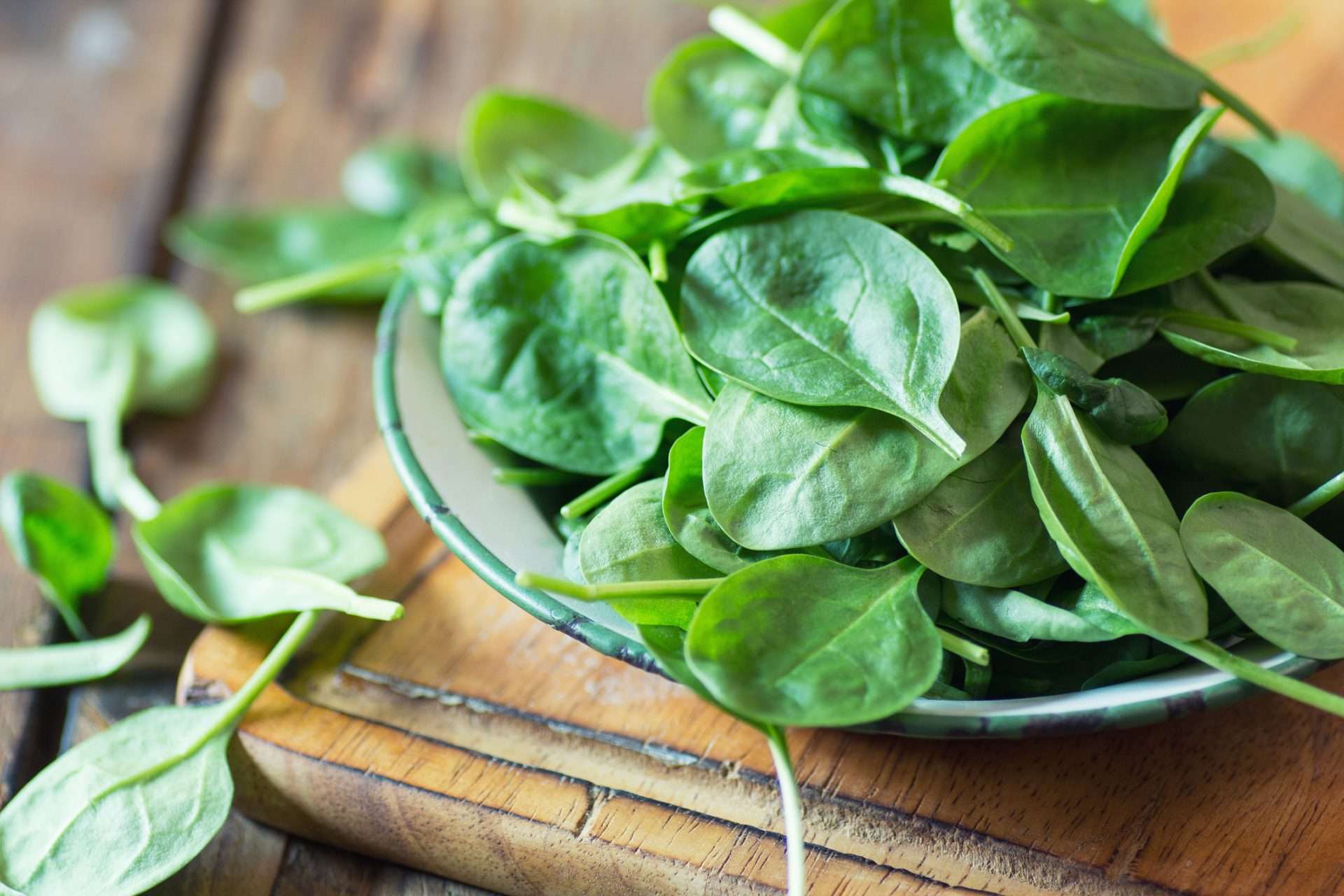
Spinach is like a superfood for your heart! It’s packed with something called dietary nitrate, which is really good for keeping your heart healthy. When you eat spinach, it helps your blood flow better and can even make your blood pressure go down. This is super important because having high blood pressure can be bad for your heart.
Popeye The Sailor had it right. Eat your spinach.
Spinach has been recognized for its potential cardiovascular benefits, particularly in relation to blood pressure and arterial health. Research studies have focused on understanding how spinach might contribute to heart health, specifically looking at high blood pressure, arterial stiffness, and overall cardiovascular function.
Enter Nitrates
One key component of spinach that plays a significant role in its cardiovascular benefits is dietary nitrate. Studies have shown that the high nitrate content in spinach can influence arterial stiffness and blood pressure. The consumption of spinach, rich in dietary nitrate, was observed to reduce blood pressure in healthy adults, according to a 2015 study. This suggests that dietary nitrate from spinach can contribute to the beneficial effects of a vegetable-rich diet on cardiovascular health. It highlights the potential of targeted dietary approaches in managing elevated blood pressure.
Another study conducted on healthy men and women assessed the acute effects of a nitrate-rich meal containing spinach on arterial stiffness and blood pressure. This study found that consuming spinach led to significant increases in salivary nitrate and nitrite concentrations, which corresponded to improved large artery elasticity and lower systolic blood pressure. These findings underscore the potential of nitrate-rich foods like spinach in lowering blood pressure and improving vascular function, which could be beneficial for cardiovascular health if sustained over time.
Furthermore, a study that focused on the combined effects of flavonoid-rich apples and nitrate-rich spinach found that these foods can augment nitric oxide status and improve endothelial function in healthy adults. This improvement in endothelial function is crucial as it plays a vital role in maintaining vascular health and preventing cardiovascular diseases.
What about Oxalates?
Regarding the concerns about oxalates in spinach, it is important to understand that while spinach does contain high levels of oxalates, which can bind to minerals like calcium and lead to kidney stones in susceptible individuals, the cardiovascular benefits of spinach often outweigh these concerns for the general population.
Oxalates possess antioxidant properties due to their chemical structure, which allows them to neutralize free radicals in the body. Free radicals are unstable molecules that can damage cells, and antioxidants help to mitigate this damage. The ability of oxalates to act as antioxidants is part of their complex role in human health, offering potential benefits such as reducing oxidative stress and inflammation.
Conclusion:
Overall, these studies suggest that including spinach in the diet can be a beneficial strategy for improving cardiovascular health, particularly in terms of managing blood pressure and enhancing arterial health. However, as with any dietary change, it is important to consider individual health conditions and dietary needs.
Our Heart Beet contains organic spinach and other nitrate producing foods, all from organic sources.
We also have organic spinach in our Cardio Greens you can buy here.


