
If you suspect that your home or office may be contributing to your health issues—but you’re not sure where to start—the Swiffer Test offers a quick, inexpensive way to screen for environmental contamination due to water damage. It’s a favorite among holistic practitioners and environmental health experts because it helps uncover hidden mold and bacterial threats that can quietly undermine your well-being.
In this post, we’ll explore what the Swiffer Test is, what it detects, how to perform it properly, and why it could be one of the most important health tests you do this year.
🧪 What Is the Swiffer Test?
The Swiffer Test is a DIY method that uses a Swiffer dry cloth to collect settled dust from surfaces inside your home. This dust is then analyzed by a specialty lab to look for water-damage-related microbes, including:
- Mold spores from dangerous species like Stachybotrys, Aspergillus, Penicillium, and Chaetomium
- Actinobacteria—a type of bacteria common in water-damaged buildings
- Endotoxins—inflammatory molecules released by certain bacteria
Dust is a powerful diagnostic sample because it accumulates over time and can reveal microbial contamination that may not be visible or detectable with air testing.
🧬 What Does the Swiffer Test Detect?
Depending on which lab you choose, the Swiffer Test can screen for:
- Mold species and spore count
- HERTSMI-2 Score – a scale based on the presence of five harmful mold types linked to health issues
- ERMI Score (Environmental Relative Moldiness Index) – a broader scale used to assess the relative moldiness of your home
- Actinomycetes – bacteria often found in water-damaged environments that can contribute to respiratory and inflammatory symptoms
- Endotoxins – cell wall fragments from gram-negative bacteria that may trigger immune reactions
Popular labs for Swiffer dust testing include:
- EnviroBiomics
- Mycometrics
- EMLab P&K
🏡 How to Do the Swiffer Test
You don’t need to be a professional to perform the Swiffer Test. Here’s how to do it correctly:
✅ Materials Needed:
- Unused, unscented Swiffer dry cloth
- Plastic Ziploc bag
- Gloves (optional, but recommended)
- Lab submission form (provided when you purchase a kit or order from a lab)
🧼 Step-by-Step Instructions:
- Pick a Sampling Location
Choose a surface that accumulates dust but isn’t cleaned frequently—such as the tops of door frames, behind furniture, or on HVAC vents. - Wipe the Surface
Use the Swiffer cloth to wipe approximately one square meter (3 ft x 3 ft) of surface area. Fold the cloth as needed to expose clean surfaces for wiping. - Avoid Contamination
Do not touch the cloth with your bare hands. Use gloves or handle by the edges only. Avoid vacuumed or recently cleaned surfaces. - Bag and Label the Sample
Place the Swiffer cloth into a clean, sealed Ziploc bag. Label it with the date, room, and location. Include this with your lab paperwork. - Ship to the Lab
Mail your sample according to the lab’s instructions. Most labs provide prepaid shipping or instructions with your kit.
🧠 Why the Swiffer Test Matters
Many homes and buildings contain hidden mold and bacteria due to past water damage, leaky roofs, plumbing issues, or high humidity. These contaminants can persist in dust and create chronic exposure, leading to:
- Fatigue
- Respiratory issues
- Brain fog
- Skin problems
- Hormonal disruption
- Cardiovascular inflammation
- Immune dysfunction
The Swiffer Test is a low-cost, high-yield screening tool that helps identify whether your living or working space could be contributing to your symptoms.
✅ Final Thoughts
If you’re struggling with unexplained symptoms—or simply want to confirm that your home is a safe, healthy space—the Swiffer Test is a great place to start. It’s non-invasive, easy to perform, and gives you real data to make informed decisions about next steps.
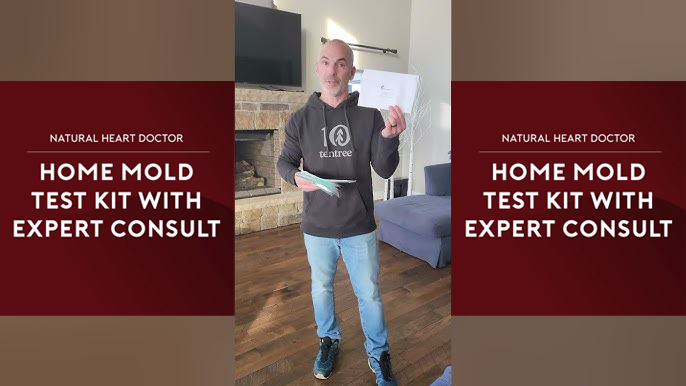
Buy the Swiffer HERE. Includes all the materials AND a personalized review call with one of the practitioners at Natural Heart Doctor.
For anyone dealing with chronic illness, autoimmune conditions, or unexplained fatigue, testing your environment is just as important as testing your body.


