
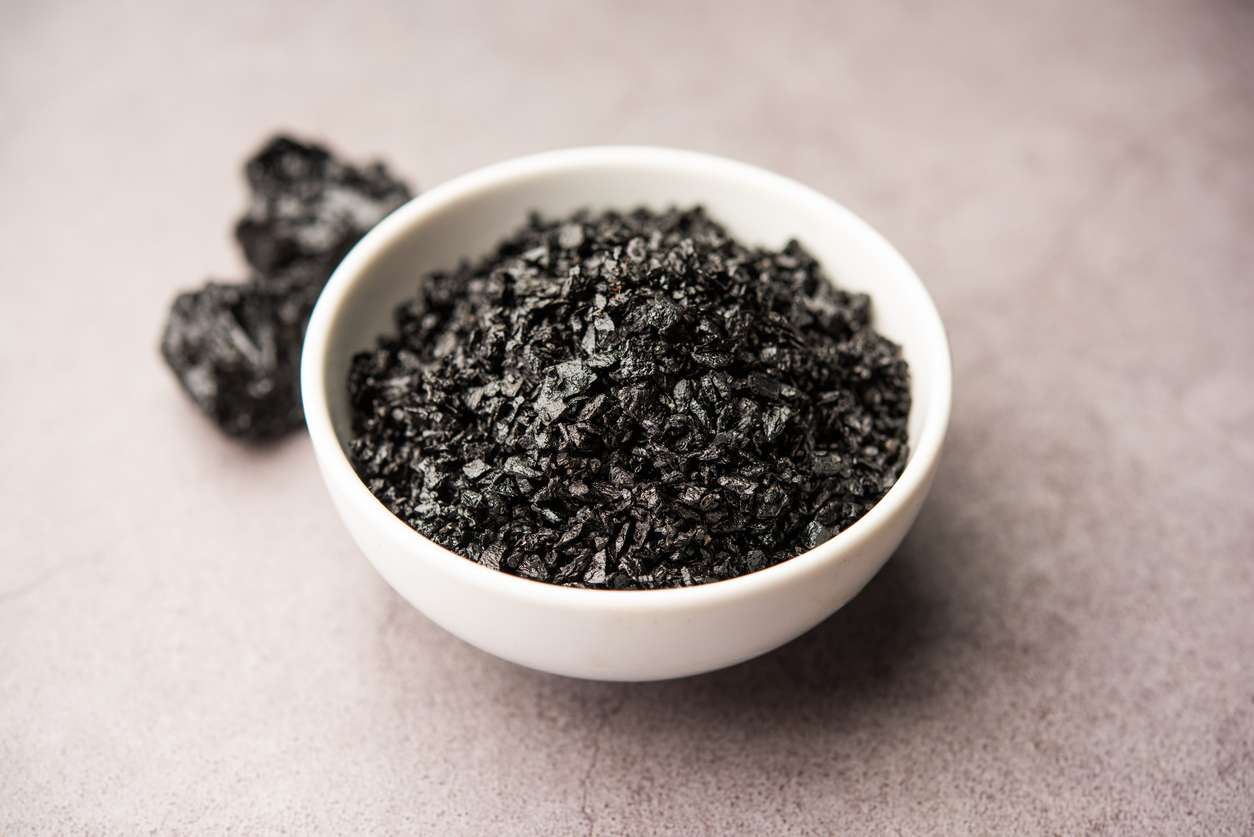
Shilajit, often hailed as “the conqueror of mountains and destroyer of weakness,” is a potent substance with a rich history and a revered place in traditional medicine. Originating from the pristine peaks of the Himalayas, this tar-like resin has been used for centuries in Ayurveda and other ancient healing systems. In this blog post, we’ll delve into the origins, benefits, composition, and modern applications of Shilajit, exploring why it has earned its reputation as a natural wonder.
Origins and Composition
Shilajit is a mineral-rich substance formed over centuries by the gradual decomposition of certain plants and microbial action. Found primarily in the high mountain ranges of the Himalayas, Altai, Caucasus, and Gilgit-Baltistan, Shilajit is harvested in its raw form as a sticky, tar-like material. The process of formation involves the breakdown of plant matter, which becomes compressed and enriched with minerals and other organic compounds over time.
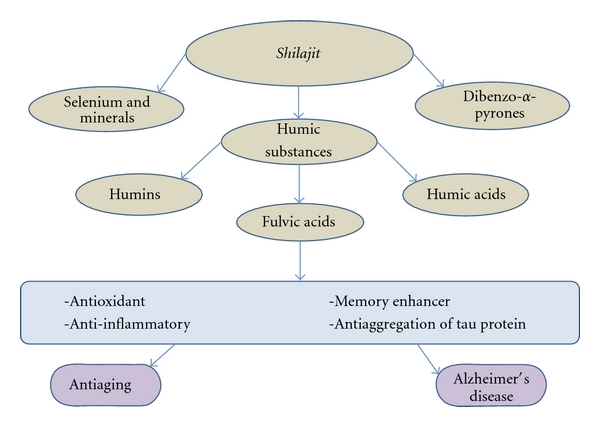
The composition of Shilajit is complex and varies depending on its geographical origin. However, it typically contains a rich blend of fulvic acid, humic acid, dibenzo-alpha-pyrones, and more than 80 essential minerals. These components work synergistically to offer a myriad of health benefits, making Shilajit a potent supplement in the realm of natural medicine.
Fulvic Acid and Humic Acid
Fulvic acid is a key component of Shilajit, known for its remarkable health benefits. It is a natural compound formed through the microbial degradation of organic matter, and it acts as a potent antioxidant, helping to neutralize free radicals and reduce oxidative stress. Fulvic acid is highly bioavailable, meaning it can be easily absorbed by the body, and it aids in the transport of nutrients and minerals across cell membranes. This enhances the overall nutritional status of the body and supports cellular health. Additionally, fulvic acid has detoxifying properties, helping to chelate heavy metals and toxins, thereby promoting a healthier internal environment.
Humic acid, another vital component of Shilajit, is a complex mixture of many different acids containing phenolate and carboxylate groups, making it highly beneficial for human health. Humic acid contributes to the detoxification processes in the body by binding to heavy metals and other toxins, facilitating their excretion. It also enhances nutrient absorption and supports the digestive system by improving gut health and promoting the growth of beneficial bacteria. Furthermore, humic acid has anti-inflammatory properties and can help modulate the immune system, making it a valuable ally in maintaining overall health and wellness.
Click here for our favorite shilajit.
Health Benefits of Shilajit
1. Energy and Vitality: Shilajit is renowned for its ability to enhance energy levels and combat fatigue. It helps improve the function of mitochondria, the energy-producing organelles in cells, thereby boosting overall vitality. This makes it a popular supplement among athletes and individuals seeking to enhance their physical performance.
2. Anti-Aging Properties: The fulvic acid in Shilajit acts as a powerful antioxidant, protecting cells from damage caused by free radicals. This anti-aging property helps reduce the appearance of wrinkles, promotes skin health, and supports overall cellular health, thereby slowing down the aging process.
3. Cognitive Enhancement: Shilajit is believed to support cognitive function and memory. It enhances the production of dopamine, a neurotransmitter associated with pleasure and motivation, and may protect against neurodegenerative conditions like Alzheimer’s disease. Regular consumption of Shilajit can improve focus, clarity, and overall brain health. Excellent article here.
4. Sexual Health: Traditional medicine often recommends Shilajit for improving sexual health and fertility. It is believed to increase testosterone levels in men, enhance sperm quality, and support reproductive health. For women, Shilajit can help balance hormones and alleviate menstrual discomfort.
5. Immune Support: Shilajit’s rich mineral content and bioactive compounds boost the immune system, helping the body fight off infections and diseases more effectively. Its adaptogenic properties enable the body to cope better with stress, further strengthening the immune response.
6. Detoxification: The fulvic and humic acids in Shilajit have detoxifying properties, aiding in the removal of heavy metals and toxins from the body. This detoxification process supports liver health and enhances the body’s natural ability to cleanse itself.
7. Joint and Bone Health: Shilajit is beneficial for maintaining healthy bones and joints. It aids in calcium absorption, supports bone density, and can alleviate symptoms of arthritis and other joint-related issues.
8. Liver Support: A recent study aimed to evaluate the effects of Shilajit on serum cytokines and adipokines in rats with non-alcoholic fatty liver disease (NAFLD). After inducing NAFLD in 35 Wistar male rats through a high-fat diet, the rats were divided into groups and treated with high and low doses of Shilajit, pioglitazone, or a vehicle. The results showed that both doses of Shilajit significantly increased IL-10 and adiponectin levels, decreased IL-1β, TNF-α, and resistin levels, and reduced serum glucose levels and insulin resistance (HOMA-IR). These findings suggest that Shilajit may have a protective role in NAFLD by modulating these serum markers and improving metabolic parameters.
Modern Applications and Usage
In contemporary times, Shilajit is available in various forms, including resin, powder, and capsules. When choosing a Shilajit supplement, it is crucial to ensure that it is of high quality and sourced from reputable suppliers. The purity of Shilajit can vary, and adulterated or low-quality products may not provide the same benefits. See our recommended shilajit here.
Dosage and Consumption: The recommended dosage of Shilajit varies depending on the form and concentration. Generally, a pea-sized amount of resin or 300-500 mg of powder can be taken daily. It can be dissolved in warm water or milk, or taken as per the instructions on the product label. As with any supplement, it is advisable to start with a lower dose and gradually increase it, while monitoring the body’s response.
Precautions and Side Effects: While Shilajit is generally considered safe for most people, it is essential to be aware of potential side effects and contraindications. Pregnant or breastfeeding women, individuals with certain medical conditions, and those taking specific medications should consult a healthcare professional before incorporating Shilajit into their routine. Possible side effects may include allergic reactions, digestive issues, or an exacerbation of certain conditions.
The Taste
I personally love the taste of shilajit tar. It has a smoky flavor with definitely earthy undertones. It is delicious added to water alone, but I often mix the shilajit with the water, then use that water in my pour-over coffee. I find the coffee easily overwhelms any flavor of the shilajit, and because of some similarities, the coffee flavor is enhanced.
Who Should Add Shilajit
In short, this is for everyone. Pets too. Heather and I use it almost every day, and we supply shilajit to the kids. I have not seen it interfere with pharmaceuticals, nutriceuticals, or anything else.
Again, here is the Shilajit tar that we recommend at Natural Heart Doctor. A little bit of this goes a LONG way. One bottle lasts us for a couple of months.
Enjoy.


