
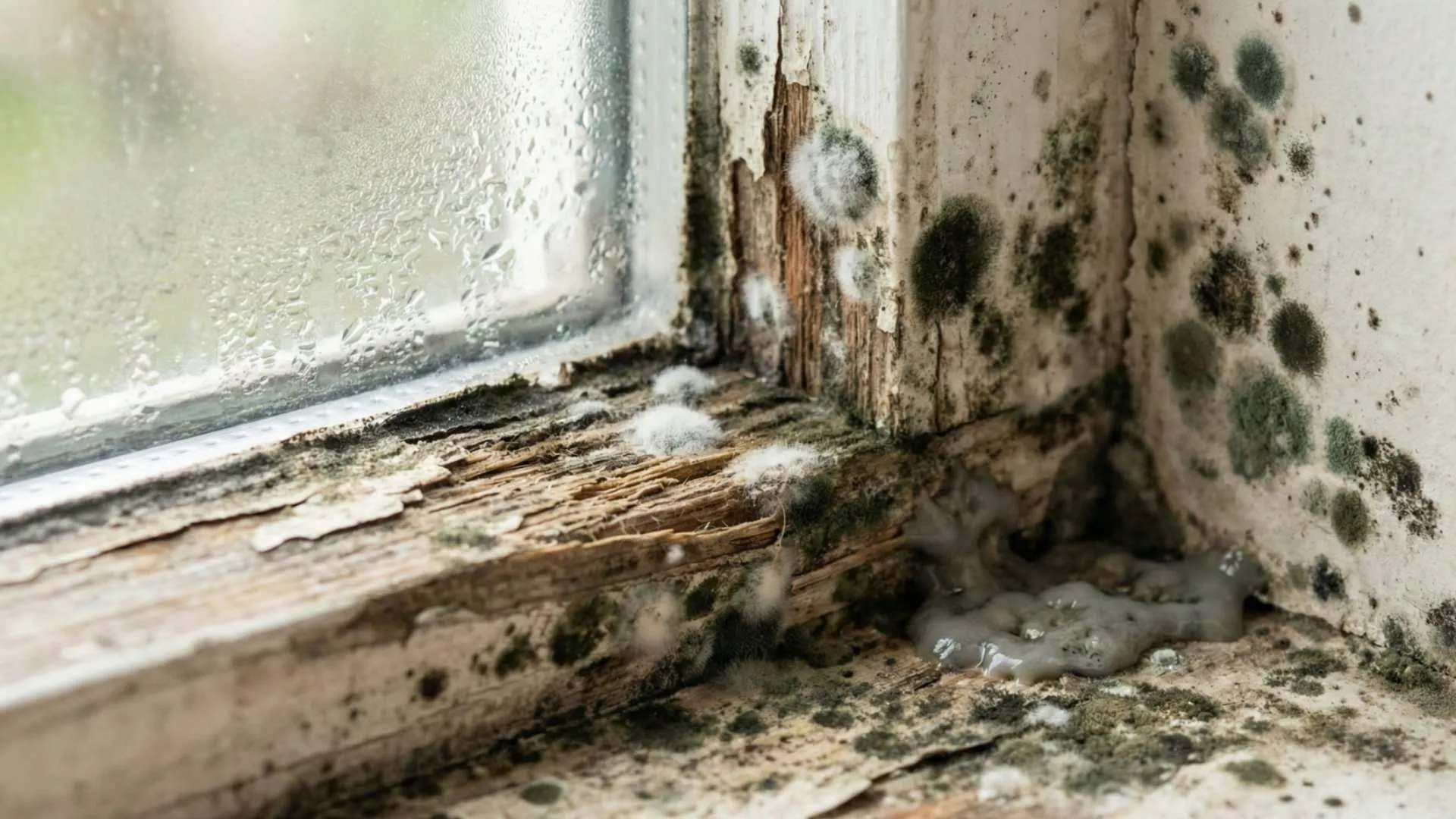
When people think about mold, they usually think about allergies, sinus congestion, or that musty smell in an old building.
What they don’t realize is that certain molds don’t just make spores—they make powerful toxins that can damage your cells, your mitochondria, your immune system, and potentially even your DNA.
One of the most concerning is a mycotoxin called sterigmatocystin.
If you’ve lived or worked in a water-damaged building, this is a toxin you should know about.
What Is Sterigmatocystin?
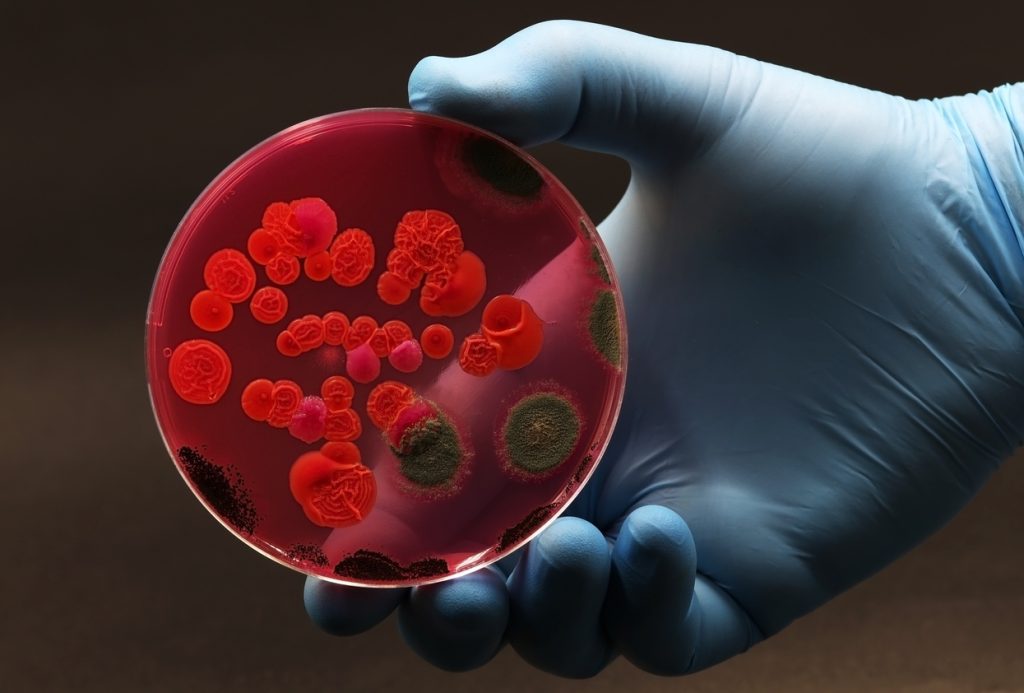
Sterigmatocystin (STC) is a toxic compound produced by several species of mold, most notably Aspergillus versicolor, one of the most common molds found in water-damaged homes, offices, schools, and hospitals.
Unlike many environmental toxins, sterigmatocystin isn’t just irritating—it is genotoxic, meaning it can directly damage DNA.
Even more concerning, it is the chemical precursor to aflatoxin B1, one of the most potent carcinogens known to science.
The International Agency for Research on Cancer (IARC) classifies sterigmatocystin as a Group 2B carcinogen, meaning it is “possibly carcinogenic to humans.” That classification is based on strong laboratory and animal evidence, although large human studies are still lacking.
Mold Doesn’t Have to Be Visible
One of the most eye-opening studies on this topic analyzed mold-infested building materials from water-damaged buildings.
Researchers detected sterigmatocystin in many contaminated materials, demonstrating that indoor mold isn’t just producing spores—it is producing biologically active toxins.
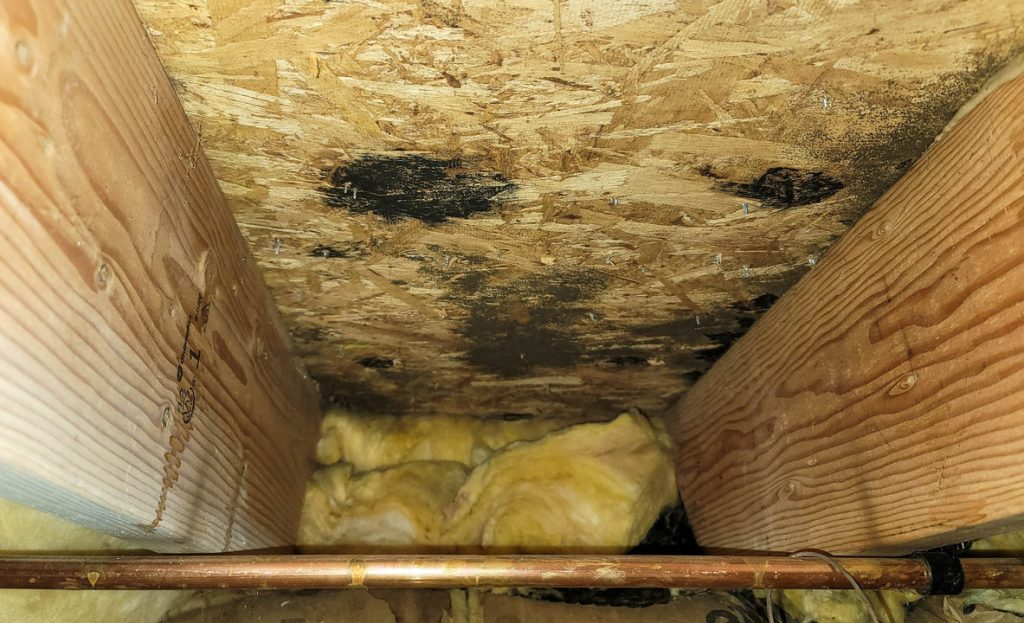
If your home has experienced flooding, roof leaks, plumbing leaks, or chronic humidity, these toxins may be present even after the visible mold appears to be gone.
The mold may disappear. The toxin may remain.
How Does Sterigmatocystin Damage the Body?
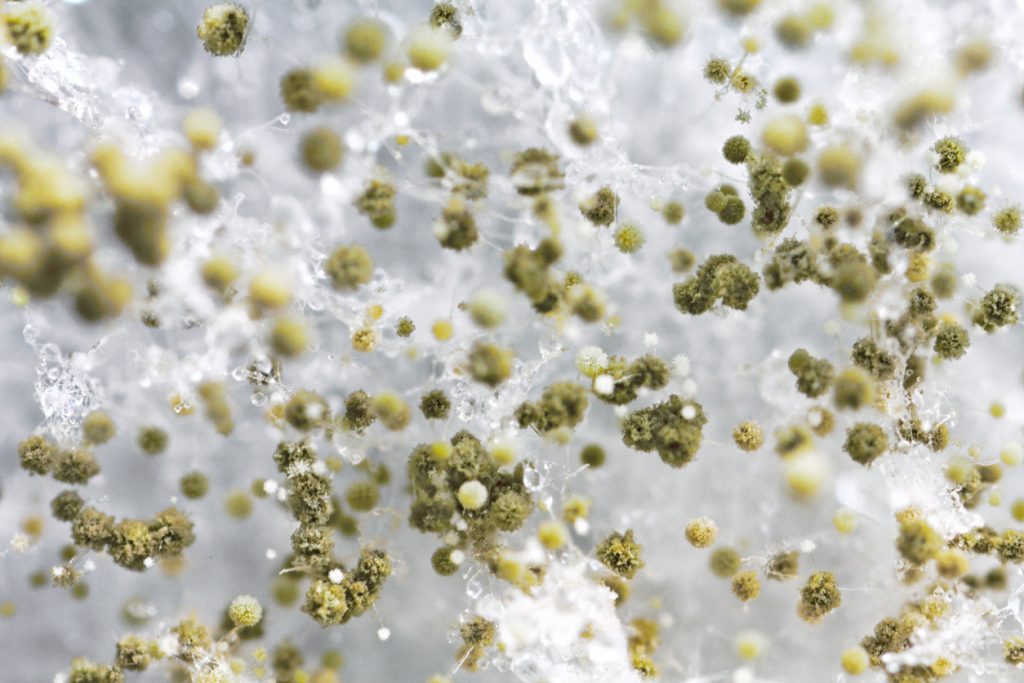
This toxin attacks the body through several mechanisms.
DNA Damage
Sterigmatocystin is metabolized into highly reactive compounds that bind directly to DNA. This creates DNA adducts—chemical alterations that can lead to permanent mutations if the cell cannot repair them.
Oxidative Stress
At Natural Heart Doctor, we teach that oxidative stress is one of the central drivers of chronic disease. Sterigmatocystin dramatically increases the production of reactive oxygen species (ROS), overwhelming your body’s antioxidant defenses.
The result is:
- Lipid peroxidation
- Mitochondrial injury
- Cellular aging
- Chronic inflammation
This is exactly why we recommend advanced oxidative stress testing for our patients. The same oxidative burden shows up in conditions we watch closely for the heart, including how oxalates affect cardiovascular health. You can’t fix what you don’t measure.
Mitochondrial Dysfunction
Healthy mitochondria produce energy. Damaged mitochondria produce inflammation. Research shows sterigmatocystin interferes with normal mitochondrial function, reducing cellular energy production while increasing oxidative damage.
Low energy. Brain fog. Exercise intolerance. Poor recovery. Many people blame aging. Sometimes the culprit is environmental toxicity.
Immune System Dysfunction
The immune system becomes chronically activated around mold exposure. Persistent inflammation can contribute to:
- Fatigue
- Autoimmune conditions
- Chronic sinus problems
- Respiratory symptoms
- Cardiovascular inflammation
Why Should Heart Patients Care?
Many people assume mold only affects the lungs. The science says otherwise.
Oxidative stress and chronic inflammation contribute to:
- High blood pressure
- Endothelial dysfunction
- Glycocalyx damage
- Oxidized LDL
- Plaque instability
- Atrial fibrillation
- Heart attack
- Stroke
Oxidized LDL in particular is where this connects directly to heart disease—we break down why in our deep dive on LDL and what actually makes it dangerous. Too much bad stuff. Not enough good stuff. That’s how disease develops, and environmental toxins—including mold toxins—are part of the “bad stuff.”
Can Sterigmatocystin Cause Cancer?
Animal research is compelling. Studies have shown that long-term exposure can produce tumors in multiple organs, especially the liver.
Researchers have observed:
- Liver cancer
- Lung tumors
- Skin tumors
- Soft tissue tumors
While direct human evidence remains limited, the mechanisms are well understood. Sterigmatocystin damages DNA, increases oxidative stress, and promotes chronic inflammation—three major ingredients in the development of cancer.
Could Mold Be Affecting You?
Symptoms of mold toxin exposure are often nonspecific. They may include:
- Brain fog
- Fatigue
- Palpitations
- High blood pressure
- Headaches
- Chronic sinus congestion
- Poor memory
- Muscle aches
- Anxiety
- Exercise intolerance
Many people spend years treating symptoms without ever asking why those symptoms developed in the first place.

Our Approach
At Natural Heart Doctor, we believe the goal isn’t simply to treat disease. It’s to identify the root cause. Supporting the body’s natural detoxification pathways starts with nutrition, not gimmicks—the same principle behind why your liver needs the right foods rather than a cleanse.
Test yourself for over 30 mycotoxins HERE.
Test your home for mold and bacteria HERE.
Free consultation included with the testing.
Then we create a personalized plan using our 100 Year Heart Method to remove the bad stuff while replacing the good stuff your body needs to heal.


